Chrome Process
The preparation and chrome plating of a part typically includes some or all of these steps:
· Manual cleaning to remove dirt and surface impurities from mild steel pipe by kerosine
· Removal of remaining organic contaminants using emulsion cleaning, alkaline cleaning, anodic electrocleaning, or solvent cleaning by immersion, spray, manual application, or vapor condensation
· Rinsing & electroetching
· Immersion in the chrome plating bath, where the part is allowed to warm to solution temperature
· Application of plating current for the required time to attain the desired thickness
· Dry Part in Heating fan
There are many variations to this process, depending on the type of substrate being plated. Different substrates need different etching solutions, such as hydrochloric, hydrofluoric, Nickel and sulfuric acids. Ferric chloride is also popular for the etching of nimonic alloys. Sometimes the component enters the chrome plating vat while electrically live. Sometimes the component has a conforming anode made from lead/tin or platinized titanium.

Cast Iron Cookware Process
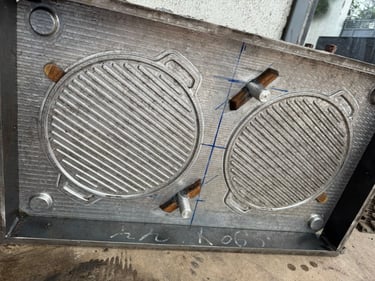
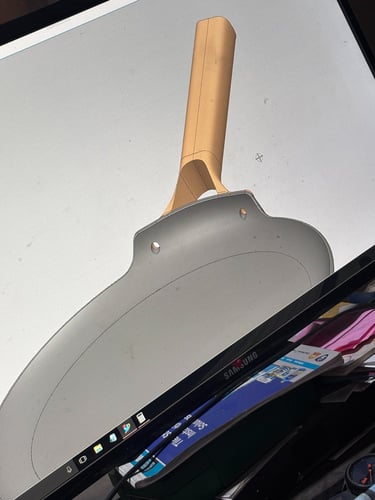
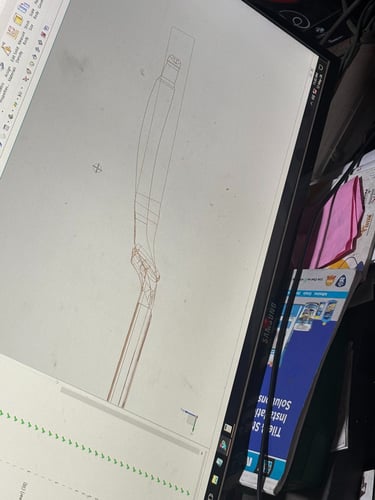
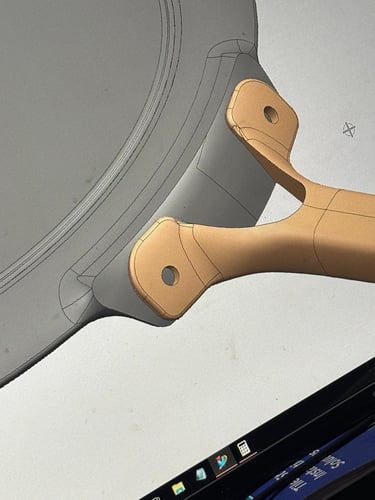
3D CAD Design & Shrinkage Compensation: Engineers design a digital 3D model of the pan. Because molten iron shrinks by roughly 1% as it solidifies, the CAD model must be scaled up intentionally. If you want a finished 10-inch pan, the mold cavity design must be calculated slightly larger to compensate for this thermal contraction.
Pattern Extraction & Assembly: The metal master patterns are mechanically withdrawn, leaving a highly compressed, solid block of sand with a perfectly hollow negative impression inside. The Cope and Drag sand blocks are then automatically aligned and pressed together, forming a securely sealed sand mold chamber ready for the furnace pour.
Melting the Iron:The process begins in a massive induction furnace (~2,800°F (1,538°C). Raw pig iron, recycled steel,and scrap iron are combined with precise amounts of carbon and silicon. The mixture is blasted with intense heat until it liquefies into molten iron.
Creating the Sand Molds:DISAMATIC Molding Process.Cast iron cannot be poured into metal molds because it would stick. Instead, automated machines use high pressure to compress a mixture of sand, clay, and water around a metal pattern of the pan. This creates a two-part negative mold (the top and bottom) with a hollow space inside shaped exactly like the cookware.
The Pouring:Seconds per pan.The liquid iron is tapped from the furnace into large ladles. Automated arms or highly skilled foundry workers carefully pour the glowing, white-hot molten iron into the sand molds. The iron fills the hollow cavity and cools down rapidly.
Shakeout & Mold Breaking:Separating iron from sand.Once the iron has cooled and solidified, the sand molds move onto a vibrating conveyor belt. The intense shaking breaks the sand mold apart, revealing the raw, black iron pan inside. The sand is collected, cooled, and recycled to make new molds for the next batch.
Grinding and Blasting:Smoothing out the rough edges.Fresh out of the mold, the pans are rough and have extra bits of iron (called "gates" or "flash") where the liquid metal was poured in. High-speed grinders cut away these imperfections. The pans then go through a shot-blasting machine where millions of tiny steel beads are blasted at them to strip away remaining sand and smooth the surface.
Industrial Washing:Prepping for seasoning.The pans are sent through a multi-stage chemical and water wash. This removes any microscopic metal dust, oils, or residue left behind by the grinding and blasting phase, leaving the raw iron completely clean.
Factory Seasoning:Creating the non-stick coating.The silver-grey raw iron pans are spray-coated with a thin, uniform layer of 100% natural vegetable oil (typically kosher-certified soybean or flaxseed oil). They then travel through a massive commercial baking oven heated to over 800°F 426°C). The heat forces the oil to chemically bond with the iron in a process called polymerization, creating that iconic, rust-resistant, black non-stick patina.
The manufacturing process of cast iron cookware is a fascinating blend of rugged, heavy-duty industrial engineering and precise craftsmanship. It hasn't fundamentally changed in over a century: you melt iron, pour it into a temporary mold made of compressed sand, break the mold to reveal the pan, and then smooth it out.